Table of Contents
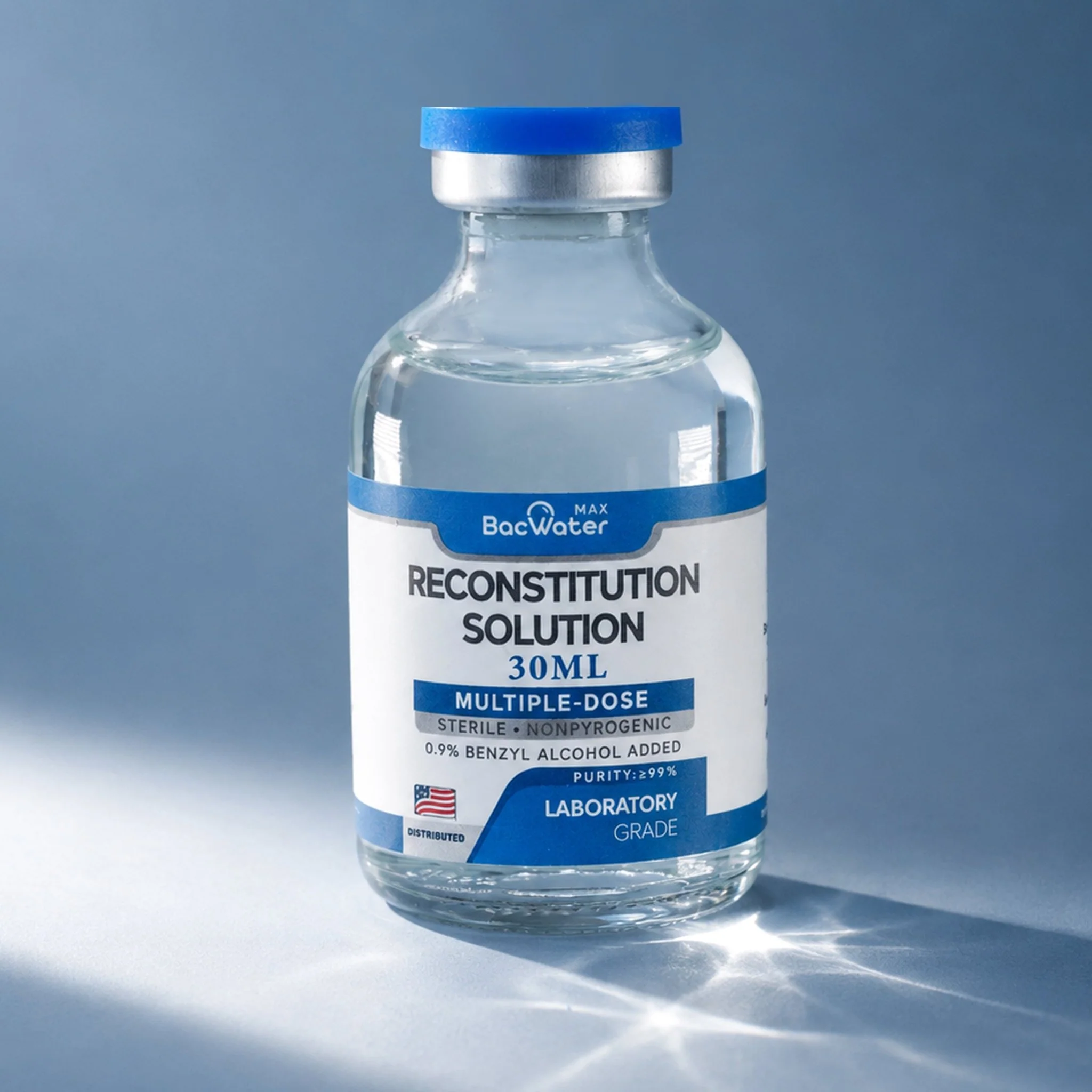
BacWater Max is a product name associated with bacteriostatic water, a type of sterile water preparation commonly discussed in connection with the preparation of certain injectable substances. Because products in this category can involve sterile handling and injection-related applications, it is important to understand what they are, how they are intended to be handled, and why product quality matters.
When considering BacWater Max or a similar product, users should focus on verified product information, appropriate storage, sterile practices, and guidance from a qualified healthcare professional. Understanding these fundamentals can help reduce avoidable risks associated with improperly handled injectable products.
What Is BacWater Max?
BacWater Max generally refers to bacteriostatic water, which is sterile water containing a small amount of a bacteriostatic preservative. The preservative is intended to inhibit the growth of microorganisms after the container has been opened, depending on the specific formulation and packaging.
Bacteriostatic water is different from ordinary sterile water. While sterile water is produced to be free from microorganisms at the time of manufacture, bacteriostatic preparations contain an antimicrobial preservative. The exact formulation, concentration, container size, labeling, and intended use can vary between products.
For this reason, it is important to check the manufacturer’s label and documentation rather than assuming that every product sold under a similar name has identical characteristics.
Why Is Bacteriostatic Water Used?
Bacteriostatic water may be used as a diluent or solvent for certain injectable medications when the medication’s official instructions specifically allow or require it.
Some injectable substances are supplied in a concentrated or powdered form and require reconstitution before administration. In those circumstances, an appropriate diluent may be specified by the manufacturer.
The important point is that bacteriostatic water is not a universal diluent. Different medications can have different compatibility, stability, concentration, and storage requirements. Using the wrong diluent can potentially affect the medication or make it unsuitable for its intended use.
Therefore, the instructions accompanying the specific medication should always take priority.
BacWater Max and Sterility
Sterility is one of the most important considerations when dealing with injectable preparations. A product intended for injection needs to be manufactured, packaged, stored, and handled under appropriate conditions.
Even when a product is manufactured as sterile, contamination can occur if it is improperly handled after opening. Using contaminated equipment, touching sterile components, or storing a container incorrectly can introduce microorganisms.
Bacteriostatic preservatives are designed to help inhibit microbial growth, but they should not be considered a substitute for proper sterile technique.
Anyone handling an injectable preparation should follow the instructions supplied with the product and medication and use appropriate professional guidance.
Product Quality Matters
The quality and authenticity of a bacteriostatic water product are important considerations. Consumers should pay attention to the manufacturer’s information, packaging, labeling, lot information, expiration date, and storage instructions.
Purchasing injectable-related products from unidentified or unreliable sources can create additional concerns because the contents may not match the labeling. Packaging alone is not sufficient evidence that a product is authentic or appropriately manufactured.
When purchasing a product such as BacWater Max, it is sensible to verify:
- The product’s manufacturer or responsible company
- The labeled ingredients
- Sterility information
- Lot or batch information
- Expiration date
- Storage requirements
- Intended use
- Regulatory or quality information where applicable
If any of this information is missing or unclear, obtaining clarification from the manufacturer or a healthcare professional is preferable to making assumptions.
Storage and Handling
Proper storage can help preserve the quality of a sterile product. Storage requirements vary according to the specific formulation and manufacturer, so the product label should always be followed.
Containers should generally be protected from conditions that the manufacturer identifies as harmful, such as excessive heat or inappropriate exposure to light. The packaging should also be inspected before use.
A container with damaged packaging, an unusual appearance, or questionable integrity should not simply be used because it appears mostly normal.
Once a sterile container has been opened or accessed, additional handling considerations apply. The manufacturer’s instructions should be followed regarding storage, usability, and disposal.
Why Professional Guidance Is Important
Injectable medications and their diluents can involve considerations that are not obvious from the product name alone. The correct diluent can depend on the medication, concentration, route of administration, compatibility, and manufacturer’s instructions.
A healthcare professional can determine whether a particular diluent is appropriate for a specific medication and can provide guidance on preparation and administration.
This is particularly important because incorrect preparation can affect dosing accuracy, medication stability, sterility, or patient safety.
BacWater Max should therefore be viewed as a product requiring appropriate knowledge and handling rather than as a general-purpose water product.
Common Mistakes to Avoid
Several avoidable mistakes can occur when people handle sterile water or injectable preparations without appropriate guidance.
One common mistake is assuming that all bacteriostatic water products are interchangeable. Formulations and labeling can differ, so the exact product should be checked.
Another mistake is ignoring expiration dates or storage requirements. Sterile products should be maintained according to the manufacturer’s specifications.
People may also underestimate the importance of contamination control. A sterile product can become contaminated through inappropriate handling even if it was manufactured correctly.
Finally, using an injectable preparation for a purpose that is not supported by its labeling or the accompanying medication instructions can create unnecessary risks.
Choosing BacWater Max Responsibly
If BacWater Max is being considered for a legitimate medical application, the safest approach is to begin with the medication’s official instructions and the advice of a qualified healthcare professional.
The product should come from a reliable source, have clear labeling, and be stored and handled according to its instructions. Users should also confirm that the particular diluent is compatible with the medication they have been instructed to use.
Rather than focusing solely on price or availability, product authenticity, quality information, appropriate packaging, and responsible handling are more important considerations for injectable-related products.
Final Thoughts
BacWater Max, when referring to a bacteriostatic water preparation, belongs to a category of products designed for specific applications involving injectable preparations. Its role is generally associated with serving as a diluent for compatible products rather than functioning as a medication by itself.
Understanding the difference between sterile water and bacteriostatic water, checking product labeling, maintaining appropriate storage conditions, and following professional instructions are all important aspects of responsible use.
Because injectable products can carry meaningful safety considerations, BacWater Max should only be used in accordance with the specific product documentation and appropriate medical guidance. When there is uncertainty about compatibility, preparation, storage, or administration, consulting a qualified healthcare professional or the product manufacturer is the appropriate next step.