Table of Contents
High-Intensity Focused Ultrasound, commonly known as HIFU treatment, has become one of the most popular non-surgical aesthetic procedures for skin tightening and facial rejuvenation. Designed to lift, firm, and improve skin texture without needles or surgery, HIFU offers a modern alternative for individuals seeking natural-looking results with minimal downtime. As demand for non-invasive cosmetic treatments grows, HIFU continues to stand out for its safety, effectiveness, and long-lasting outcomes.
What Is HIFU Treatment?
HIFU treatment uses focused ultrasound energy to target specific layers beneath the skin’s surface. Unlike lasers or radiofrequency treatments that mainly affect the outer layers of the skin, HIFU penetrates deeper, reaching the foundational layers where collagen production occurs.
The ultrasound energy heats targeted tissue to a precise temperature, stimulating the body’s natural healing response. This process triggers the production of new collagen and elastin, two essential proteins responsible for skin firmness, elasticity, and youthful appearance. Over time, this collagen regeneration results in tighter, smoother, and more lifted skin.
How HIFU Works
HIFU technology delivers concentrated ultrasound waves at controlled depths, typically between 1.5 mm and 4.5 mm below the skin. These depths correspond to different skin layers, including the superficial muscular aponeurotic system (SMAS), which is the same layer addressed during surgical facelifts.
The treatment creates tiny thermal points beneath the skin without damaging the surface. These controlled micro-injuries stimulate collagen remodeling while leaving the epidermis intact. Because the skin’s surface remains unaffected, recovery time is minimal compared to invasive procedures.
Common Areas Treated with HIFU
HIFU is highly versatile and can be used on multiple areas of the face and body. On the face, it is commonly applied to lift and tighten sagging skin, improve jawline definition, and reduce fine lines and wrinkles. Popular facial treatment areas include the forehead, eyebrows, cheeks, nasolabial folds, jawline, and neck.
HIFU is also effective for body contouring and skin tightening in areas such as the abdomen, arms, thighs, knees, and buttocks. It is particularly beneficial for individuals experiencing mild to moderate skin laxity who want noticeable improvement without surgery.
Benefits of HIFU Treatment
One of the biggest advantages of HIFU treatment is that it is non-invasive. There are no incisions, needles, or anesthesia required, making it a safer option for many individuals. Most patients can return to their normal activities immediately after treatment.
Another key benefit is its natural-looking results. HIFU stimulates the body’s own collagen production rather than artificially altering facial structure. This gradual improvement creates subtle yet noticeable lifting and tightening over time.
HIFU also offers long-lasting results. While individual outcomes vary, the effects of a single session can last up to 12 to 18 months, depending on age, skin condition, and lifestyle factors. Many people choose annual maintenance treatments to preserve results.
Who Is an Ideal Candidate?
HIFU treatment is best suited for individuals with mild to moderate skin laxity. It is commonly chosen by people in their 30s to 60s who are beginning to notice sagging skin, loss of firmness, or early signs of aging.
Those with severe skin laxity or advanced aging may require multiple sessions or alternative treatments to achieve desired results. A professional consultation is essential to determine whether HIFU is the most appropriate option based on skin condition, goals, and expectations.
What to Expect During the Procedure
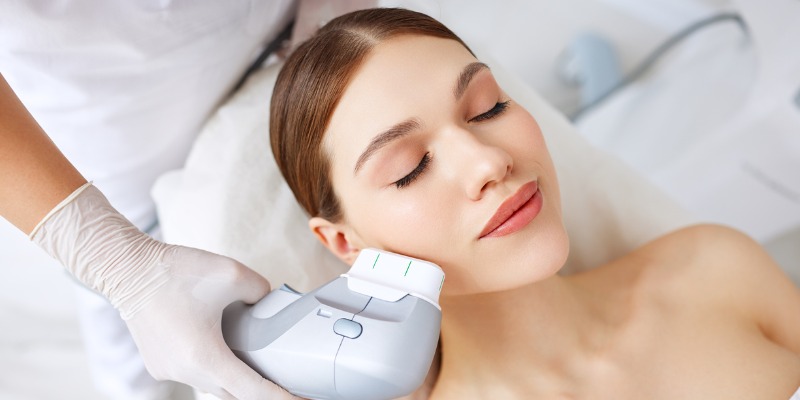
A typical HIFU session lasts between 30 and 90 minutes, depending on the treatment area. Before the procedure, the skin is cleansed, and a gel is applied to help transmit ultrasound energy.
During treatment, patients may feel a warm or tingling sensation as the ultrasound energy is delivered. Some discomfort can occur, but it is generally well tolerated and temporary. The intensity can often be adjusted to ensure patient comfort.
Once the session is complete, the gel is removed, and the patient can resume daily activities immediately.
Recovery and Side Effects
One of the most appealing aspects of HIFU treatment is the minimal downtime. Most patients experience little to no recovery period. Mild redness, swelling, or tenderness may occur, but these effects typically resolve within a few hours to a few days.
Occasionally, patients may experience temporary numbness or slight bruising, but serious side effects are rare when the procedure is performed by a trained professional. Following post-treatment care instructions helps ensure optimal results and comfort.
When Results Become Visible
HIFU results are not immediate. While some tightening may be noticeable right after treatment, the most significant improvements develop gradually over time as new collagen forms. Most patients see visible lifting and firming within two to three months, with continued improvement for up to six months.
This gradual process contributes to the natural appearance of the results, avoiding the sudden changes often associated with surgical procedures.
HIFU vs. Other Skin Tightening Treatments
Compared to surgical facelifts, HIFU offers a less invasive option with fewer risks and no recovery downtime. While surgical procedures deliver more dramatic results, HIFU is ideal for those seeking subtle, natural enhancement without surgery.
When compared to radiofrequency or laser treatments, HIFU stands out for its ability to reach deeper layers of the skin. This deeper penetration allows for more effective lifting and tightening, particularly in areas such as the jawline and neck.
Safety and Effectiveness
HIFU technology has been widely studied and is considered safe when performed by qualified practitioners using approved devices. Its precision allows targeted treatment without damaging surrounding tissue, making it a reliable choice for non-surgical skin tightening.
As with any cosmetic procedure, results depend on the practitioner’s expertise, the quality of the equipment used, and proper patient selection.
Conclusion
HIFU treatment represents a powerful advancement in non-invasive aesthetic care. By using focused ultrasound energy to stimulate collagen production, it delivers noticeable skin tightening and rejuvenation without surgery or downtime. Ideal for individuals seeking a natural-looking lift and firmer skin, HIFU continues to gain popularity as a safe, effective, and long-lasting solution.
With proper consultation and professional treatment, HIFU can help restore youthful contours, improve skin texture, and boost confidence—making it a valuable option in modern cosmetic medicine.