Table of Contents
Wrinkles are a natural part of the aging process, but many people seek effective ways to reduce their appearance and maintain youthful, healthy-looking skin. With advancements in skincare and cosmetic treatments, there are now numerous options available to address wrinkles, ranging from simple home remedies to advanced medical procedures. Understanding these options can help individuals choose the most suitable wrinkle treatment for their needs.
What Causes Wrinkles?
Wrinkles form as the skin loses its elasticity and collagen over time. Collagen and elastin are proteins that keep the skin firm and smooth. As we age, the production of these proteins decreases, leading to sagging and the formation of lines and creases.
Several factors contribute to wrinkle development, including:
- Aging: Natural decline in collagen production
- Sun Exposure: UV rays damage skin cells and accelerate aging
- Lifestyle Habits: Smoking, poor diet, and lack of sleep
- Dehydration: Dry skin can make wrinkles more noticeable
- Facial Expressions: Repeated movements like smiling or frowning
Understanding these causes is the first step in choosing the right treatment approach.
Preventive Measures for Wrinkles
Prevention plays a key role in maintaining youthful skin. While it may not be possible to stop wrinkles entirely, certain habits can slow their development.
- Use Sunscreen Daily: Protecting your skin from UV rays is essential
- Stay Hydrated: Drinking enough water keeps skin supple
- Maintain a Healthy Diet: Nutrient-rich foods support skin health
- Avoid Smoking: Smoking accelerates skin aging
- Follow a Skincare Routine: Regular cleansing, moisturizing, and exfoliating
These simple practices can significantly delay the appearance of wrinkles.
Topical Treatments for Wrinkles
Topical treatments are often the first line of defense against wrinkles. These include creams, serums, and lotions that are applied directly to the skin.
Retinoids
Derived from vitamin A, retinoids are widely used for their ability to boost collagen production and improve skin texture.
Hyaluronic Acid
This ingredient helps retain moisture, making the skin appear plumper and reducing the visibility of fine lines.
Peptides
Peptides support collagen production and improve skin elasticity.
Antioxidants
Ingredients like vitamin C and E protect the skin from environmental damage and promote a brighter complexion.
Consistency is key when using topical treatments, as results may take time to become visible.
Non-Invasive Cosmetic Treatments
For those seeking quicker results, non-invasive cosmetic procedures offer effective solutions without surgery.
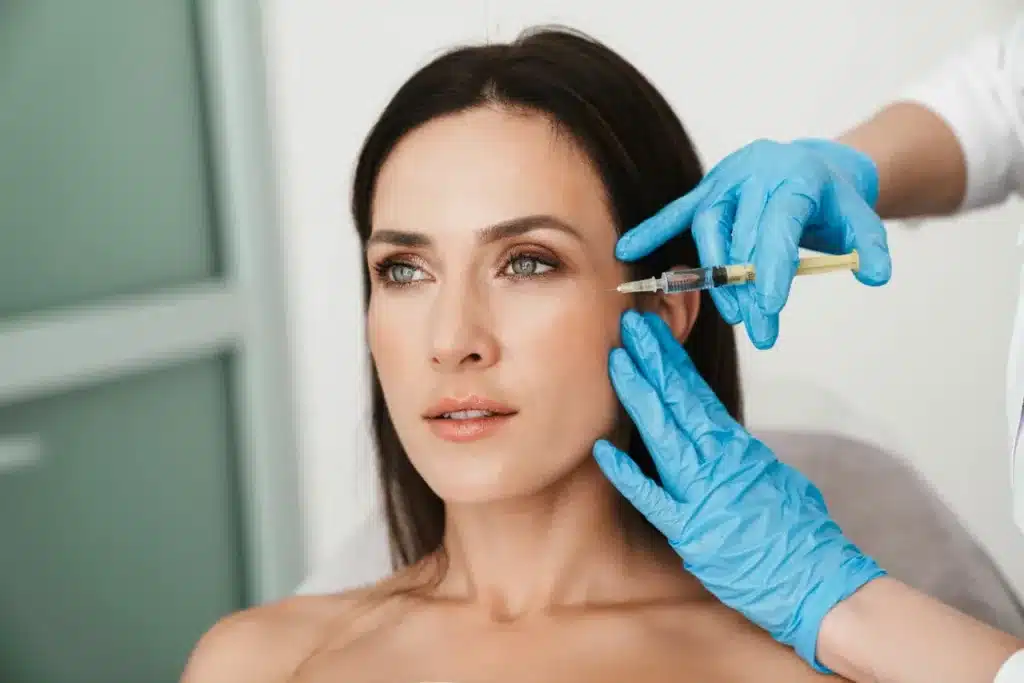
Botox Injections
Botox works by relaxing facial muscles, reducing the appearance of dynamic wrinkles caused by expressions.
Dermal Fillers
Fillers add volume to the skin, smoothing out deeper lines and wrinkles.
Chemical Peels
These treatments remove the outer layer of skin, promoting the growth of new, smoother skin.
Microdermabrasion
This procedure exfoliates the skin, improving texture and reducing fine lines.
These treatments are typically performed by professionals and require minimal downtime.
Advanced Treatments for Deeper Wrinkles
More advanced procedures are available for individuals with deeper wrinkles or more significant signs of aging.
Laser Resurfacing
Laser treatments stimulate collagen production and improve skin tone and texture.
Radiofrequency Therapy
This method uses energy to tighten the skin and reduce wrinkles.
Microneedling
Tiny needles create micro-injuries in the skin, triggering natural healing and collagen production.
Surgical Options
Procedures such as facelifts provide long-lasting results by tightening and lifting the skin.
These treatments often deliver more dramatic results but may involve higher costs and recovery time.
Natural Remedies and Home Treatments
Some people prefer natural approaches to wrinkle treatment. While results may be less dramatic, these methods can still support skin health.
- Aloe Vera: Known for its moisturizing and healing properties
- Coconut Oil: Helps hydrate and soften the skin
- Honey: Acts as a natural humectant
- Facial Massage: Improves circulation and skin tone
Incorporating these remedies into your routine can complement other treatments.
Choosing the Right Treatment
Selecting the best wrinkle treatment depends on several factors:
- Age and Skin Type: Different treatments suit different skin conditions
- Severity of Wrinkles: Mild lines may require only topical care
- Budget: Costs vary widely between treatments
- Lifestyle Preferences: Some treatments require maintenance or downtime
Consulting with a skincare professional can help determine the most appropriate approach.
Importance of Consistency
No matter which treatment you choose, consistency is essential. Skincare is not a one-time effort but an ongoing process. Regular care, combined with healthy habits, ensures long-lasting results.
Psychological and Confidence Benefits
Reducing wrinkles is not just about appearance—it can also boost confidence and self-esteem. Feeling good about your skin can positively impact your overall well-being and how you present yourself to the world.
Future Trends in Wrinkle Treatment
The field of skincare continues to evolve, with new technologies and products emerging regularly. Innovations such as personalized skincare, advanced peptides, and non-invasive devices are shaping the future of wrinkle treatment.
These advancements aim to provide more effective, safer, and convenient solutions for maintaining youthful skin.
Conclusion
Wrinkles are a natural part of life, but modern wrinkle treatment options make it possible to reduce their appearance and maintain healthy, youthful skin. From preventive measures and topical treatments to advanced cosmetic procedures, there is a solution for every need and preference.
By understanding the causes of wrinkles and exploring available treatments, individuals can make informed decisions and develop a skincare routine that works best for them. With the right approach, achieving smoother, more radiant skin is within reach.